
Can You Rent Out Your Ohana in Kona? What Hawaiʻi County's New Bill 147 Means for Homeowners
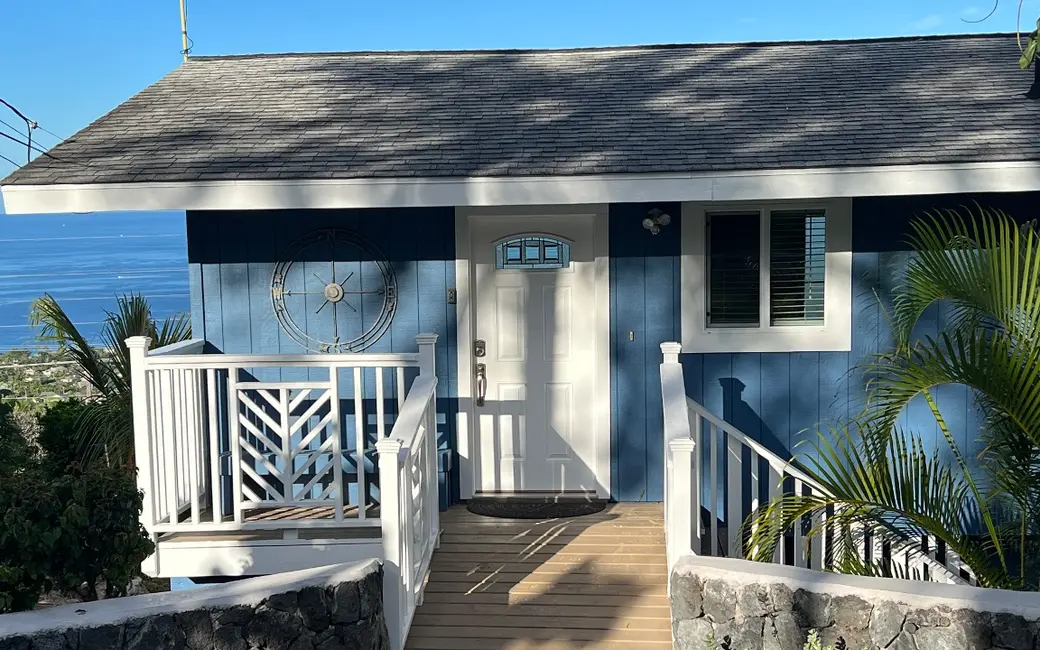
 If you own a home in Kona, live on the property, and have a detached ohana or guest cottage, new legislation could create an opportunity to earn rental income from that additional dwelling. Here's what you need to know.
Hawaiʻi County homeowners have been watching the discussion surrounding short-term vacation rental regulations, and a significant development took place on November 18, 2026.
The Hawaiʻi County Council passed Bill 147, which establishes new rules for hosted and unhosted transient vacation rentals (TVRs).
One of the most interesting aspects of this legislation is what it could mean for homeowners who live in their primary residence and have an additional permitted dwelling on their property.
Could you rent out your ohana to visitors while continuing to live in your main house?
The answer may be yes, provided your property and rental meet the County's requirements.
Let's break it down.
1. What is a hosted vacation rental?
Bill 147 distinguishes between two types of vacation rentals:
-
Hosted rentals: The host lives on the same building site as the rental while it is being rented.
-
Unhosted rentals: The property operates as a vacation rental without the host residing on the same building site.
The legislation defines a hosted bed and breakfast as a transient vacation rental located on the same building site as, and incidental and subordinate to, the use of that building site as the host's principal home.
This distinction is important.
A homeowner who lives in the main house and rents a separate permitted ohana may have a pathway to operate that additional dwelling as a hosted rental.
2. Does residential zoning allow hosted rentals?
Yes. Bill 147 identifies several zoning districts where hosted rentals are permitted uses, including:
-
Single-Family Residential
-
Double-Family Residential
-
Multiple-Family Residential
-
Residential-Commercial Mixed Use
This is significant for Kona homeowners because a qualifying hosted rental does not have to be located in a resort zone.
The legislation is intended to clarify the zoning pathway so that qualifying hosted rentals do not automatically need a separate use or special permit simply because they operate as hosted accommodations.
However, the property must still comply with all applicable zoning, building and operational requirements.
3. Can I rent out my detached ohana?
This is probably the biggest question for homeowners.
Consider this example:
You own a home in a single-family residential neighborhood in Kailua-Kona. You live in the main house and have a detached, legally permitted two-bedroom ohana on the same property.
You would like to rent the ohana to visitors for short stays.
Under Bill 147, this arrangement may qualify as a hosted bed-and-breakfast use because:
-
You live on the same building site.
-
Your main house is your principal residence.
-
The rental is subordinate and incidental to the residential use of the property.
-
The additional dwelling meets applicable County requirements.
There is an important distinction between a legally permitted accessory dwelling unit (ADU) and an informal guest cottage.
Just because a structure has a bathroom, bedroom and kitchenette does not mean it is legally recognized as an ohana or ADU.
Homeowners should verify the property's building permit records and zoning classification before advertising a unit as a vacation rental.
Important: Bill 147 does not automatically legalize unpermitted structures or override existing restrictions on accessory dwellings.
4. What requirements do homeowners need to meet?
Even when a property qualifies for hosted rental use, there are operational requirements.
Homeowners should be prepared to:
-
Continue residing on the property while the rental is operating.
-
Register the rental with Hawaiʻi County.
-
Comply with applicable occupancy limits.
-
Provide required emergency and contact information.
-
Follow quiet-hour and good-neighbor requirements.
-
Comply with parking and advertising standards.
-
Maintain applicable state tax registrations.
The legislation also extends the definition of transient vacation rentals to accommodations rented for fewer than 180 consecutive days, rather than the previous 30-day definition.
Certain rental arrangements have exemptions, so homeowners should check how their particular arrangement is classified.
5. How much does hosted rental registration cost?
Under the County's existing TVR registration program, hosted rentals have the following fees:
| Registration | Fee |
|---|---|
| Initial registration | $250 |
| Annual renewal | $100 |
Registration is separate from confirming that your building and zoning approvals are in order.
Homeowners should also consider General Excise Tax (GET), Transient Accommodations Tax (TAT), insurance, and potential real property tax implications.
6. What should you do before renting your ohana?
If you're considering renting your detached ohana to visitors, here are the steps we'd recommend:
-
Verify your zoning. Confirm that your property is in a qualifying residential district.
-
Check your building permits. Make sure the detached dwelling is legally permitted and properly classified.
-
Confirm hosted rental eligibility. Ask the Hawaiʻi County Planning Department to verify that your particular arrangement qualifies.
-
Review registration requirements. Understand the application, fees and documentation required.
-
Check taxes and insurance. Speak with your tax professional and insurance provider before beginning operations.
Do not assume that an existing permitted ohana automatically qualifies for short-term rental use.
7. Where can Kona homeowners get more information?
The Hawaiʻi County Planning Department is the place to start.
West Hawaiʻi Planning Department
West Hawaiʻi Civic Center
74-5044 Ane Keohokālole Highway, Building E
Kailua-Kona, HI
Phone: 808-323-4770
Email: planning@hawaiicounty.gov
You can also find County information and registration resources here:
Hawaiʻi County Transient Vacation Rental Information
The bottom line for Kona homeowners
Bill 147 creates a potentially meaningful opportunity for homeowners who want to generate additional income from a permitted ohana or guest dwelling while continuing to live on their property.
It does not mean every detached cottage can automatically become a vacation rental. The property's zoning, building approvals, hosted-rental eligibility and registration requirements all matter.
But if you have an additional permitted dwelling sitting unused, this is certainly worth investigating.
Have questions about buying or selling a property in Kona with an ohana, guest cottage or additional dwelling?
We help buyers and sellers understand the real estate opportunities and considerations that come with owning property on Hawaiʻi Island.
Visit us at 365HawaiiRE.com.
Disclaimer: This article is for general educational purposes and is not legal, tax or zoning advice. Bill 147 passed the Hawaiʻi County Council in its fourth draft on November 18, 2026. Homeowners should verify the signed ordinance, effective date and individual property eligibility with the County of Hawaiʻi before operating a transient vacation rental.
Categories
Recent Posts