
Best Areas to Buy in Kailua-Kona: 7 Neighborhoods Compared

What is the best area to buy in Kailua-Kona? The honest answer depends entirely on your buyer type, and getting it wrong by even a mile can mean the difference between a purchase you love for decades and one you quietly regret after year one. Kailua-Kona looks like one compact market on a map. Drive it end to end and you'll cover maybe fifteen miles. But inside those miles live wildly different price points, lifestyle tradeoffs, environmental risk profiles, and investment realities. At 365Hawaii, we've spent years helping buyers get to the right street, not just the right island, and the clearest pattern we see is this: most regret comes from choosing the wrong neighborhood, not the wrong floor plan.
The seven areas in this guide span from oceanfront resort condos to upcountry coffee-country estates to practical family neighborhoods a few miles inland. Your budget matters, but your buyer type matters more. Read through the full picture, or skip directly to the archetype that fits you.
Why the Right Neighborhood Changes Everything in Kona
The Kailua-Kona Market in 2026 at a Glance
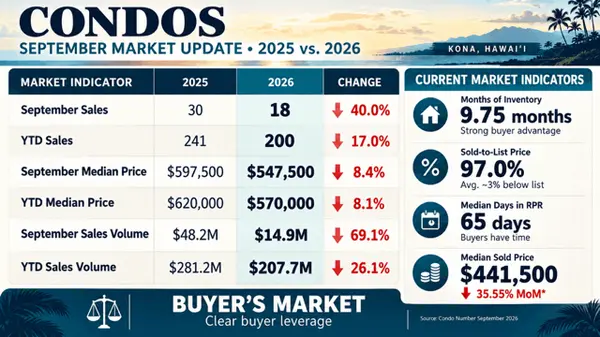
The Kona MLS puts single-family median sold prices roughly in the $1.2M to $1.35M range for 2026, while condos are clustering around $570K to $717K, with resort-adjacent and oceanfront product pulling that ceiling significantly higher. That spread isn't a data anomaly. It reflects the fact that "Kailua-Kona" is actually a collection of micro-markets stacked from sea level to the cloud line, each with its own buyer pool, HOA obligations, and risk exposure. A studio condo in an in-town complex and a custom hillside estate in Holualoa share a zip code and almost nothing else.
What Type of Buyer Are You?
This guide speaks to three buyer archetypes. The investor wants short-term rental income and long-term appreciation, and needs to understand zoning before falling in love with a unit. The retiree or second-home buyer wants lifestyle, low maintenance, and community without the operational complexity of a vacation-rental business. The primary-home buyer is weighing schools, commute practicality, and long-term neighborhood trajectory. Each section below flags which archetype it suits best so you can read accordingly.
Ali'i Drive and the Oceanfront Corridor
The Lifestyle and Investment Case for Oceanfront Kona
Alii Drive is Kailua-Kona's most recognizable stretch: bayfront condos, walking distance to the town core, and resort-caliber amenities in complexes like Kona By The Sea, Kona Reef, and Kona Bali Kai. For investors, this corridor holds something rare in Kona. It sits in resort and vacation-rental-eligible zoning, making it one of the few places where short-term rental income is legally workable at scale, assuming the building and its HOA permit it. Gross annual STR revenue estimates for market properties in this corridor run $34,000 to $50,900, which at oceanfront price levels produces tight but real yields.
Price Reality and Ownership Costs Here
Oceanfront condos along Alii Drive carry a 2026 corridor median around $725,000, but the actual range runs $400K to $3M depending on building, floor, and view. Full estate-level homes push $3M to $8M and well beyond. HOA fees at resort-grade buildings commonly land between $700 and $1,500 per month, with larger or amenity-heavy units in complexes like Kona Bali Kai reaching $1,200 or more. Buyers must verify STR permit status for the specific unit, not just the building, before underwriting any rental income assumptions. The county's 2026 registration framework under Bill 47 requires annual STVR registration, and properties outside eligible zoning cannot simply apply for a new permit; they need an existing Nonconforming Use Certificate.
Best fit: investors and second-home buyers who want walkability, ocean proximity, and legal short-term rental potential.
Keauhou: The Resort-Side Pick for Condo Buyers and Retirees
What Sets Keauhou Apart from the Core Town Area
Keauhou sits just south of central Kailua-Kona and offers a quieter, more self-contained alternative to the Alii Drive buzz. Golf, oceanfront access, a neighborhood shopping center, and a slower pace combine to create a resort feel without the foot traffic of downtown. The 2026 condo median for Keauhou sits around $758,000 year-to-date through mid-year, with home listings ranging broadly from roughly $948K to $1.1M and higher for premium ocean-view product. This area appeals strongly to retirees and second-home buyers who want turnkey quality and amenity-rich living without the noise level of central Kona.
Investment Angle and Who Keauhou Suits Best
Some Keauhou buildings carry STR-eligible zoning, so the area stays on the investor radar, but property-level due diligence is essential here. Buildings within Resort Node designations and RM condominium property regime classifications are most commonly STR-eligible, though buyers should confirm permit and NUC status for the individual unit before making any income assumptions. Compared to Alii Drive, Keauhou trades some locational prestige for more community cohesion and a slightly calmer entry point into the condo market. The buyer who thrives here wants a walkable, amenity-rich environment, low maintenance, and the social infrastructure of an established resort community.
Best fit: retirees, second-home buyers, and lifestyle-first condo buyers who want resort feel with less operational complexity.
Holualoa and Alii Heights: The Upcountry Case
The Hillside Lifestyle and the Privacy Premium
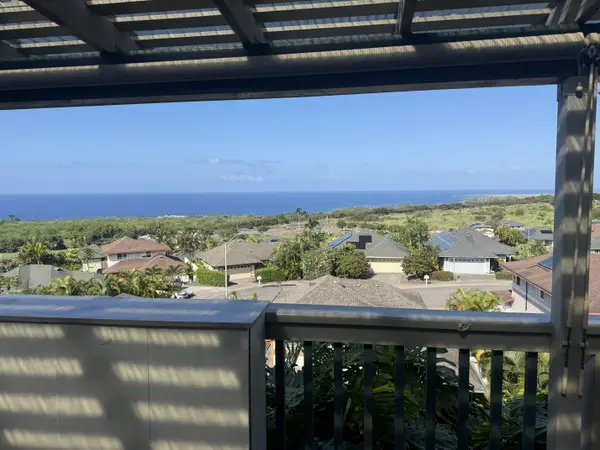
Holualoa is a fundamentally different buying decision from anything on the waterfront. Elevation, cooler temperatures, coffee-country character, and large-lot custom homes define it. Buyers here want acreage, panoramic ocean views from above, and real distance from tourist infrastructure. Pricing for Holualoa homes runs roughly $1M to $3M and above for custom product, with no meaningful condo submarket to speak of. Alii Heights offers a more accessible entry into the hillside category, with single-family homes that attract primary residents who want a quieter residential setting within reach of town services.
Who Should, and Shouldn't, Consider Upcountry Living
The tradeoffs here are real and worth naming directly. Holualoa Elementary carries one of the stronger school ratings in the Kona market, earning a 7 out of 10 on GreatSchools with 42% math proficiency, meaningfully above the broader 96740 average. However, every errand and every commute involves a drive down the hill, and there are no walkable amenities at elevation. For buyers who prioritize views, privacy, and land over convenience and rental income, this tier earns its premium. For buyers who want to minimize car dependency or run a vacation rental program, the oceanfront corridor is a better match.
Best fit: privacy-first primary-home buyers, buyers with school-age children, and buyers who want land and views over turnkey resort living.
Kahakai Estates, Kaiminani, and the Residential Middle Market
Primary Home Value and the Family Buyer's Calculus
This is where most primary-home buyers in Kona actually land. Kahakai Estates and similar established neighborhoods offer single-family homes with HOA fees that are substantially lower than resort condos, or absent entirely, along with realistic proximity to schools, grocery retail, and the highway corridor. This is the practical Kona: where teachers, business owners, and working families build long-term roots rather than vacation assets. Specific neighborhood-level sold data is thinner here than for the resort corridors, but pricing generally fits within the broader Kona single-family range rather than the resort-premium tier.
Schools, Daily Life, and the Livability Tradeoffs
School quality varies noticeably across these neighborhoods. The broader 96740 zip code average runs around a 3 out of 10 on GreatSchools with 27% math proficiency, and Kaiminani-adjacent schools reflect similar signals. Retail access and commute convenience are generally stronger in closer-in residential areas than upcountry alternatives, a meaningful advantage for daily life. The buyer who fits this tier is someone building a primary life in Kona rather than managing a vacation asset. They should weight school assignment, proximity to Queen Kaahumanu Highway, and neighborhood trajectory above short-term rental potential.
Best fit: primary-home buyers, families, and long-term residents prioritizing practical livability over resort amenities.
Environmental Risks and Ownership Costs That Change the Math
Lava Zones, Flooding, and Tsunami Exposure
Kailua-Kona sits primarily in USGS Lava Hazard Zone 4, which covers the Hualālai flanks where most of Kona, Keauhou, and Holualoa sit. Zone 4 represents a moderate long-term volcanic risk compared to the far more active Zones 1 and 2 concentrated around Kīlauea and Mauna Loa on the other side of the island. "Moderate" is not "none," and lava zone designation directly affects insurance availability and cost, so it belongs in your underwriting. Flood and tsunami exposure is primarily an elevation question, not a neighborhood name question. Low-lying oceanfront and bayfront properties carry the highest exposure regardless of the address. Check every parcel against USGS lava-hazard maps and Hawaii County Planning Department GIS tools before making an offer.
HOA Fees, Property Taxes, and STR Rules: What to Verify Before Closing
Condo HOA fees across the Kona market range from roughly $700 to $2,500 per month depending on building type and resort classification. Property taxes for owner-occupied residential property run around 0.57% of assessed value, with higher rates for non-owner-occupied and hotel-classified units. On short-term rentals, Bill 47 introduced mandatory county STVR annual registration starting July 1, 2026, with an unhosted rental registration fee of $500 and NUC renewal at $250 annually. Any buyer planning to run a vacation rental must verify zoning class, existing permit or NUC status, and HOA rules for the specific unit, not just the building or the street name:
- STR-eligible zoning is generally limited to V, CG, CV, and certain Resort Node areas, plus RM condominium property regime buildings.
- Properties outside those zones cannot create a new STR unless an existing valid NUC is in place.
- County registration requires GET and TAT tax licenses, property tax clearance, and final building approvals.
Which Is the Best Area to Buy in Kailua-Kona? Finding Your Answer
 The best area to buy in Kailua-Kona depends entirely on what you're building here. If you want a legally operable short-term rental with ocean access and walkable resort amenities, the Alii Drive corridor and select Keauhou buildings are where to focus. If you're retiring or buying a second home with minimal operational complexity, Keauhou's resort-community infrastructure is hard to beat. If privacy, land, and above-average schools are the priority, Holualoa and Alii Heights earn their elevation premium. If you're building a permanent life in Kona without the resort price tag, the residential middle market around Kahakai Estates and neighboring neighborhoods offers real long-term value.
What the map doesn't show you is which specific listings in each area are actually worth your time, which buildings have pending special assessments, which streets sit closer to the flood inundation zone, or where the neighborhood trajectory is actually heading. That's the kind of context that only comes from years on the ground in this market. The 365Hawaii team works exclusively in the Kailua-Kona market and has helped buyers at every price point and every stage of life find the right neighborhood before they spent a single day touring the wrong one.
Browse current Kona listings or reach out directly to start the conversation. The right neighborhood is out there. It just takes local knowledge to find it.
Frequently Asked Questions: Best Areas to Buy in Kailua-Kona
What is the best area to buy in Kailua-Kona for short-term rentals?
The Alii Drive corridor is the strongest option for STR investors. It sits within resort and vacation-rental-eligible zoning, and several buildings have an established permit or Nonconforming Use Certificate framework. Select Keauhou buildingsalso qualify, but buyers must verify zoning and permit status at the individual unit level before underwriting any income projections.
What is the best area to buy in Kailua-Kona for retirees?
Keauhou is the most consistent choice for retirees. It offers resort-community amenities, golf, ocean access, and a quieter pace than central Kona, all with lower operational complexity than running an active rental. Some Alii Drive condos also attract retirees who prioritize walkability and waterfront proximity over neighborhood calm.
Which Kailua-Kona neighborhood has the best schools?
Holualoa Elementary consistently earns the strongest school rating in the Kona market, scoring a 7 out of 10 on GreatSchools, well above the broader 96740 zip code average. Families prioritizing school quality often gravitate toward Holualoa and Alii Heights, accepting the tradeoff of a hillside commute for a stronger academic environment.
Is it better to buy a condo or a house in Kailua-Kona?
That decision depends on your goal. Condos dominate the resort corridors along Alii Drive and in Keauhou, where STR potential and amenity access are the draw. Single-family homes make more sense for primary residents in middle-market neighborhoods like Kahakai Estates, or for buyers seeking land and privacy in Holualoa. Each property type carries different HOA obligations, tax classifications, and rental rule implications.
We have MANY videos about condo vs single home and HOA considerations on our YouTube channel, "365 Hawai‘i Real Estate Minute"- check it out!
If you would like to discuss more neighborhoods that may fit your individual needs, Eric and I are more than happy to jump on a Zoom call with you or meet for coffee here in Kailua Kona. You can reach me directly at Julie@Ziemelis.com or 808-785-2898.
Julie Ziemelis - Realtor- Real/ReMax - RS 85062
Categories
Recent Posts