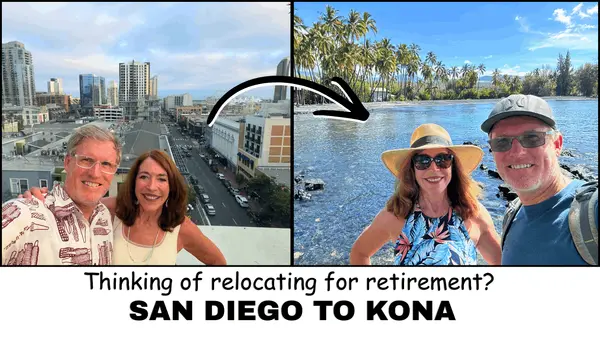

What Out-of-State Buyers Consistently Miss Before Making an Offer
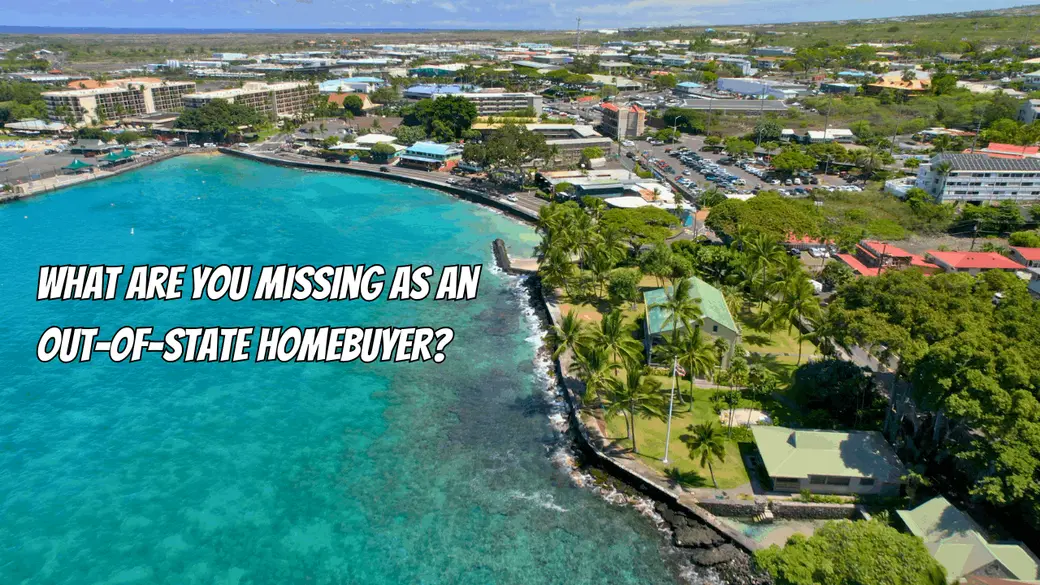
 Have you fallen in love with Hawaii and think now is the time to consider a purchase?
We get quite a few calls from folks who have visited the Big Island and fallen in love, feel connected to the island's energy and want to either buy a home here and live full time or buy a second home so they can visit often. What many mainland buyers miss are some of the "Hawaii only" nuances like leasehold vs fee simple, lava zones, withholding taxes and paying property taxes on someone elses homeowner status. So, here is a quick run down on those and we love to discuss these components of buying on our island with you to make sure you avoid mistakes and know what to expect!
Leasehold Vs Fee Simple
Leasehold versus fee simple is the single most misunderstood distinction for mainland buyers. A leasehold property means you own the structure but lease the land, often for a fixed term with scheduled rent increases and an expiration date. As the lease shortens, your buyer pool shrinks, your financing options narrow, and the value of your investment can decline materially, leasehold discounts of 25% to 60% compared to comparable fee simple properties have been documented in Hawaii markets. Fee simple ownership is nearly always the safer choice for buyers who want straightforward financing and maximum resale flexibility.
Lava Zone Designations
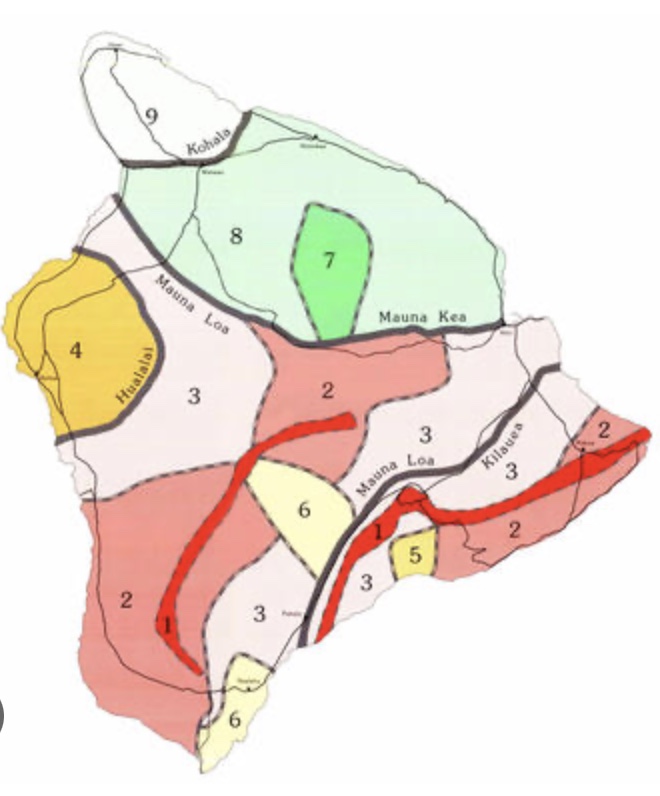 Lava zone designations affect insurance availability and lender requirements in ways most mainland buyers don't anticipate. Kailua Kona proper is generally in Lava Zones 4 and 6, which carry normal insurance access and conventional mortgage availability. Zones 1 and 2 are the most restrictive: private insurers often won't write policies there, and mortgage qualification becomes significantly harder. Any property you consider outside the Kona core warrants a lava zone check before you get attached to it.
Withholding Taxes For Out-of-State Buyers
HARPTA, the Hawaii Real Property Tax Act, is a seller-side withholding rule, but it creates escrow dynamics that buyers need to understand going in. When an out-of-state seller closes a Hawaii property, 5% of the amount realized is withheld at closing and remitted to the Hawaii Department of Taxation within 20 days. Exemptions and waivers exist, but they need to be arranged before closing. Understanding this upfront keeps the closing timeline predictable for both sides of the transaction.
You May Pay the Seller’s Tax Rate for 6 to 12 Months
If the home you’re buying was the seller’s investment property, vacation rental, or second home, it’s probably in a higher property tax class than a full-time resident’s home. That higher rate doesn’t drop when you close. It stays with the property until you file a homeowner application with the County and that application takes effect.
Hawaiʻi County only applies the homeowner benefit twice a year, and it isn’t backdated. If you file between January 1 and June 30, the lower rate starts the following January 1. If you file between July 1 and December 31, it starts the following July 1. So depending on when you close, you could pay the higher rate for anywhere from six months to almost a year.
Here’s why that matters for your mortgage. Your lender will usually set your escrow from the current tax bill, which is the seller’s rate. Plan for that higher payment at first, and file your homeowner application right after closing so you don’t wait longer than you need to.
Your Next Steps to Get Serious About Buying in Kona
Before you search a single listing, get pre-qualified with a lender who has Hawaii-specific loan experience. Island properties have quirks that catch mainland lenders off guard: leasehold status, lava zone designations, condo HOA financial health, and short-term rental restrictions all affect loan eligibility in ways a lender who only works the mainland won't anticipate. The right lender makes the process faster and eliminates surprises at the closing table.
Set up active listing alerts through our 365 Hawaii Group rather than relying solely on the major platforms. We pull from the live MLS feed and can also surface off-market and coming-soon opportunities that public platforms never index, an important advantage in a market where supply is tight. And visit before you offer. Understanding the neighborhoods from the ground level consistently changes what buyers prioritize once they're here in person.
 The 365Hawaii team also maintains two YouTube channels offering free, in-depth video content covering neighborhoods, market trends, and the lifestyle realities of living on the Big Island. Watching a few hours of that content before your property search significantly improves the quality of your questions and the confidence of your decisions. These resources are built specifically for out-of-state and first-time Hawaii buyers who want to understand the Kailua Kona real estate market before they browse listings.
The Market Is Ready. Are You Prepared for It?
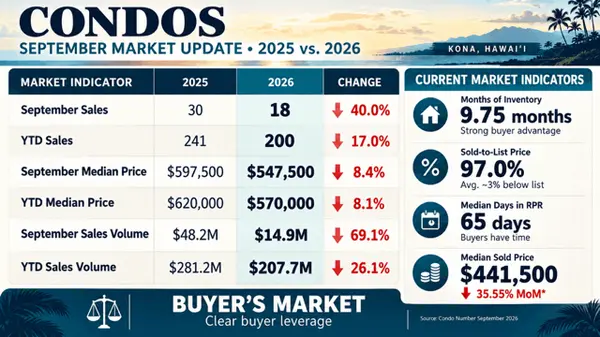
As we start to round the corner to 2027, we offer up to date stats and trend data and can help you navigate our shifting market. We invite you to connect with our team directly to get current listings, live market data, and guidance from people who live and sell in this market every single day. Reach out for a no-pressure conversation about where you are in the process and what the market looks like for your specific budget and lifestyle goals.
Kona is a place people fall in love with long before they buy here. The right preparation makes sure the transaction matches the dream.
Contact us at Julie and Eric Ziemelis, 808-785-2898 or Julie@Ziemelis.com
Real/Re-Max - RS-85062
Categories
Recent Posts