
What You Must Know About Retiring on Hawaii Island
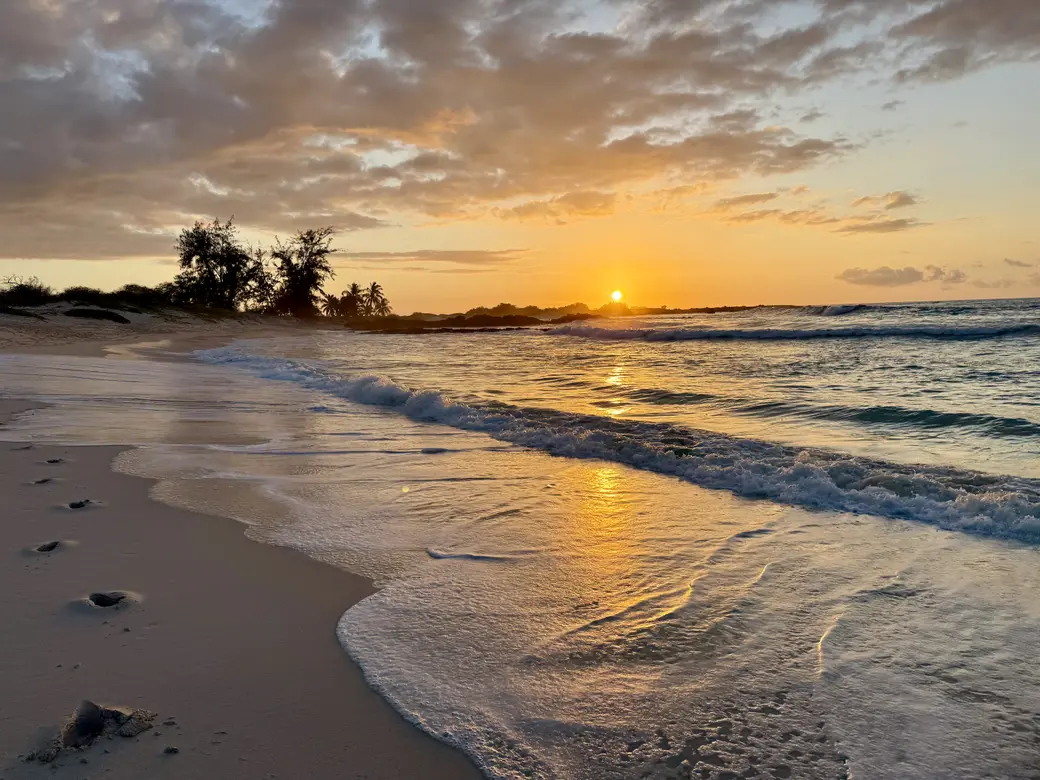
Retiring in paradise sounds like a dream, doesn't it? Trading snow shovels and icy driveways for year-round sunshine, ocean swims, and mai tais at sunset. And honestly? For many retirees who make the leap to Hawaii Island, it absolutely lives up to that dream.
But let's be real: aging anywhere comes with considerations, and aging on a remote island in the middle of the Pacific has its own unique set of realities. The good news? Some of the concerns you might have—especially about healthcare—are rapidly being addressed in ways that might surprise you. And the lifestyle benefits? They're even better than the brochures suggest.
If you're seriously considering spending your golden years on the Big Island, here's what you need to know—the fun parts, the challenging parts, and why this might just be the perfect time to make your move.
The Fun Stuff: Why Retiring in Hawaii is Actually Amazing
Let's start with the good news, because there's a lot of it.
No More Winter Injuries (Just Different Ones)
Remember worrying about throwing your back out shoveling snow? Or slipping on ice and breaking a hip? Yeah, those concerns disappear entirely when you live somewhere with year-round 70-80 degree weather. The trade-off? You might pull a shoulder in a pickleball game or get a little too enthusiastic paddleboarding. But honestly, those are the kinds of "problems" most retirees dream about having.
Year-Round Outdoor Living
This is the real game-changer. While your mainland friends are stuck indoors for months, you're snorkeling with sea turtles, hiking to waterfalls, playing tennis in January, and taking sunset beach walks every single evening. The ability to stay physically active year-round isn't just pleasant—it's genuinely good for your health, your mood, and your longevity.
Vibrant, Active Communities
West Hawaii has an incredibly active senior community. Pickleball courts are packed (seriously, it's become the island sport). There are hiking groups, swimming clubs, volunteer opportunities, cultural events, and farmers markets where you'll see the same friendly faces every week. The pace is slower, but the social calendar can be as full as you want it to be.
Natural Stress Relief
There's something about island time that just... works. The sound of waves, the trade winds, the slower pace—it all adds up to a genuinely less stressful existence. No one's riding up on your bumper at 60 mph or laying on their horn because you didn't gun it the millisecond the light turned green. People smile more here. They stop to talk story. Rush hour is maybe 20 minutes of mild inconvenience. For retirees coming from high-stress mainland cities, the difference is profound. With less people living on the island, there is a feeling of expansive and wide open spaces.
Cultural Richness
You're not just moving to a beautiful place—you're immersing yourself in Hawaiian culture, a diverse local community, and a lifestyle that values ohana (family), malama (caring for each other and the land), and aloha spirit. There's always something to learn, experience, and appreciate.
The Real Talk: Healthcare is Transforming
Let's address the elephant in the room: healthcare access on a remote island has historically been one of the biggest concerns for retirees considering Hawaii Island. And honestly? That concern has been valid. For years, complex medical issues often meant flights to Oahu or even the mainland.
But here's where the story gets exciting: Hawaii Island is in the midst of a healthcare renaissance that's transforming the landscape for current and future residents.
West Hawaii's Major Expansion
Governor Josh Green is spearheading an unprecedented public-private partnership that's bringing world-class healthcare to Kona. Here's what's happening:
The New Hospital - An 80-bed, $400-500 million hospital featuring a Cancer Center, Cardiac Care, and Rehabilitation services. This isn't just an expansion—it's a comprehensive medical campus designed to provide the kind of integrated specialty care that previously required leaving the island.
The Outpatient Medical Center - A major new facility will be built next to the new hospital through a partnership between The Queen's Health Systems and the Hawaii Health Systems Corporation, funded partly by $50 million in state bonds. This "one-stop hub" will significantly expand primary and specialty care access, reducing the need for inter-island travel for routine and specialized services.
These projects are designed to work together seamlessly, creating a healthcare ecosystem that serves West Hawaii residents at every level of care.
The West Hawaii Region recently launched a new hospital foundation and will focus on:
• Expansion of New Sites & Services: Funding strategic initiatives that increase access to specialty and primary care across the region.
• Supporting Critical, Emergent Needs: A campaign to raise 3.5 million dollars to improve emergency services and critical care for the West Side.
• Healthcare Academy: A campaign to raise $500,000 to support workforce development, including educational opportunities for existing employees and students pursuing the healthcare glidepath.
• Regional Approach: Strengthening collaboration across Kona Community Hospital, Kohala Hospital, and affiliated services to maximize impact and avoid duplication of resources.
These projects are designed to work together seamlessly, creating a healthcare ecosystem that serves West Hawaii residents at every level of care.
Hilo's Transformation
On the other side of the island, Hilo Medical Center received a $50 million donation from Salesforce CEO Marc Benioff and his wife Lynn in March 2024. The facility is now Hilo Benioff Medical Center and is undergoing major expansions including a new ICU, additional beds, a family birthing center, and neurosurgery services. This investment is transforming healthcare access for East Hawaii residents.
North Hawaii's Excellence
North Hawaii Community Hospital in Waimea continues to provide excellent care and serves as a vital resource for the northern part of the island.
What This Means for You
If you're planning to retire to Hawaii Island in the next few years, you'll be arriving as these facilities come online. The timing is actually ideal. While you should still understand the current state of healthcare (some specialists are limited, complex cases may still require travel), the trajectory is incredibly positive.
That said, here's what you need to know NOW:
- Establish care with local providers as soon as you arrive
- Understand which specialists are currently available versus which might require travel
- Consider supplemental insurance that covers medical evacuation if needed
- If you have complex, ongoing medical needs, discuss them thoroughly with your doctors before relocating
The bottom line? Hawaii Island is investing heavily in healthcare infrastructure, and the improvements benefit everyone—not just retirees, but all island residents.
Other Important Considerations
The Cost of Living Reality
Let's not sugarcoat it: Hawaii is expensive. If you're on a fixed income, you need to run the numbers carefully. Groceries cost more (everything's shipped in). Gas is pricier. Utilities can be high if you're running AC. Property taxes vary significantly depending on the area and your homeowner classification.
The good news? Many retirees find they spend less on other things—no winter wardrobes to maintain, less need for a fancy car, fewer "stuff" purchases when you're living a simpler, outdoor-focused lifestyle. But housing costs and everyday expenses are real, and you need a honest budget that accounts for island pricing.
Distance from Family
This is the one that sneaks up on people. Video calls are great, but they're not the same as being there for grandkids' soccer games or helping out when your adult child needs you. And when family visits, your guest room becomes very popular—which is wonderful, but also means your retirement home becomes a vacation rental for relatives several times a year.
Some retirees thrive with this distance, enjoying their independence while still staying connected. Others find it harder than expected. Be honest with yourself about how important physical proximity to family is for your happiness.
Building Your Social Circle
Moving to Hawaii means starting over socially, which can be challenging as you age. The local community is welcoming, but you'll need to put yourself out there—join clubs, volunteer, show up to events, become a regular at your favorite coffee shop.
The 365 Kona Newbies Facebook group has over 3,000 members for a reason—people crave connection and community. The good news is that West Hawaii has an active, engaged population of transplants and locals alike who are eager to welcome newcomers. But you have to show up and participate.
Home Maintenance in Paradise
Tropical living is beautiful, but it's also hard on houses. Salt air corrodes metal. Humidity encourages mold. Geckos become your roommates (they're cute, but still). Termites are a real concern. Roofs, paint, and outdoor furniture all deteriorate faster than they would on the mainland.
Budget for ongoing maintenance and accept that your home will need more attention than it would in, say, Arizona. Many retirees find that condos with HOA fees that cover exterior maintenance are worth the trade-off, especially as they age and don't want to deal with property upkeep.
Making It Work: Questions to Ask Yourself
If you're seriously considering retiring to Hawaii Island, here are the key questions to work through:
Financially:
- Can your retirement income comfortably handle 20-30% higher costs of living?
- Have you factored in healthcare costs, including potential travel for specialized care?
- Do you have an emergency fund that accounts for inter-island or mainland flights if needed?
Lifestyle:
- Are you genuinely excited about outdoor activities, or do you prefer indoor entertainment and dining options?
- Can you handle being 2,500 miles from major shopping, entertainment, and cultural venues?
- Are you comfortable with a slower pace and limited restaurant/nightlife options compared to mainland cities?
Family & Social:
- How will distance from family affect your happiness and sense of connection?
- Are you willing to actively build a new social network from scratch?
- Can your family afford to visit, or will the travel burden fall mostly on you?
Health & Aging:
- Have you discussed this move with your doctors, especially if you have ongoing health conditions?
- Do you have a realistic plan for aging in place, or eventual assisted living needs?
- Are you comfortable with the current state of healthcare while improvements are underway?
Practical:
- Have you spent significant time on Hawaii Island beyond vacation stays?
- Do you understand the differences between lava zones, leasehold vs. fee simple, and island-specific real estate factors?
- Have you researched the specific area where you'd live (Kona, Kohala, Waimea all have different vibes)?
The retirees who thrive here are the ones who come with open eyes, realistic expectations, and genuine enthusiasm for island life—not just the postcard version, but the real, day-to-day experience.
And that's where we come in. With nearly 20 years of experience helping mainlanders relocate to the Big Island, we can help you navigate these questions with honest, detailed answers. Whether you're trying to decide between a low-maintenance condo or a single-family home, wondering what neighborhoods best match your lifestyle, or curious about what's actually available here for your hobbies and interests—we've helped hundreds of retirees make these exact decisions.
We know which condo complexes have the most active social communities, which areas offer the best walkability for aging in place, and how to match your priorities with the right property and location. Schedule a consultation with us, and let's talk through what retiring on Hawaii Island would really look like for you.
The Bottom Line
Retiring on Hawaii Island isn't for everyone, and that's okay. It requires flexibility, financial preparedness, and a genuine love for island living beyond the vacation glow. You'll deal with higher costs, distance from family, and the realities of remote island life.
But for those who make the leap with open eyes? The rewards are extraordinary. Waking up to ocean views, standing in ocean mists of positive ions, high fiving yourself in December in 80 degree weather, staying active year-round, building meaningful connections in a welcoming community, and living somewhere that most people only dream about visiting—that's the daily reality here.
And with the healthcare improvements underway across the island, one of the biggest historical concerns is being actively addressed. The timing, frankly, has never been better.
So if you're dreaming about trading snow shovels for snorkel gear and spending your retirement years in paradise, let's talk. We'll help you figure out if Hawaii Island is the right fit for your golden years—and if it is, we'll help you find the perfect place to call home.
Here's my number so you can jump right on the dream now!
Julie@Ziemelis.com 808-785-2898
Real Broker- RS-85062
Categories
Recent Posts